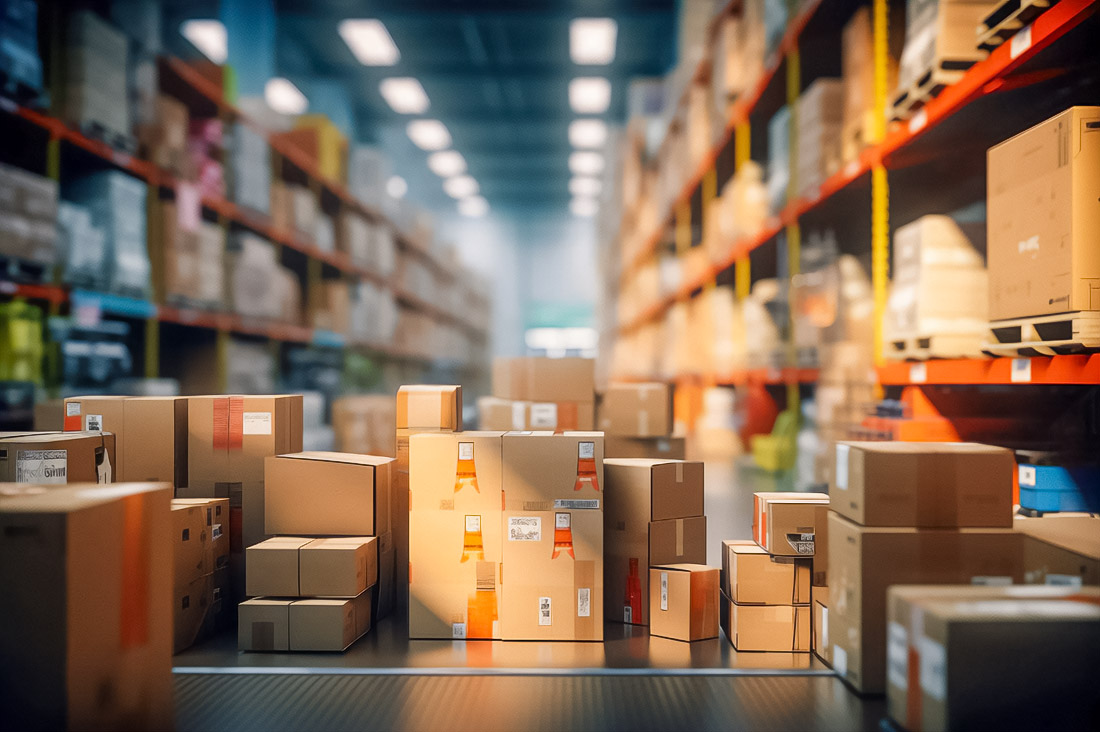
Sustainable logistics in the GCC countries is no longer just a trend. This is a requirement of the time and a basic standard for business. The industry accounts for about 10 percent of global greenhouse gas emissions. This is felt in every part of the supply chain. By 2050 or 2060, the states of the region have declared the goal of carbon neutrality. The emphasis is on decarbonization, energy efficiency, renewable energy and a closed-loop economy. The priorities are clear. The results are measurable. The incentives are tangible for all market participants.
Transport has the greatest impact on the climate. It accounts for approximately 23 percent of the world’s energy-related CO2 emissions. Without changes, this figure could approach 40 percent by 2030 and 60 percent by 2050. The answer consists of simple levers and complex implementation. Electrification of urban delivery. Expansion of hybrid fleets. Switching to alternative fuels. Hydrogen and biodiesel are already part of the operators’ plans. Optimizing routes using specialized software consistently reduces mileage and fuel consumption by about 10 percent per month. This is a direct reduction in CO2 and significant savings in operating costs. Multimodal schemes transfer the far shoulders to the railway and the sea. Roads are being unloaded. Specific emissions are decreasing. The growing role of land freight services in the region shows how land transportation is becoming cleaner and more precisely managed.
Green Warehouses And Renewable Energy
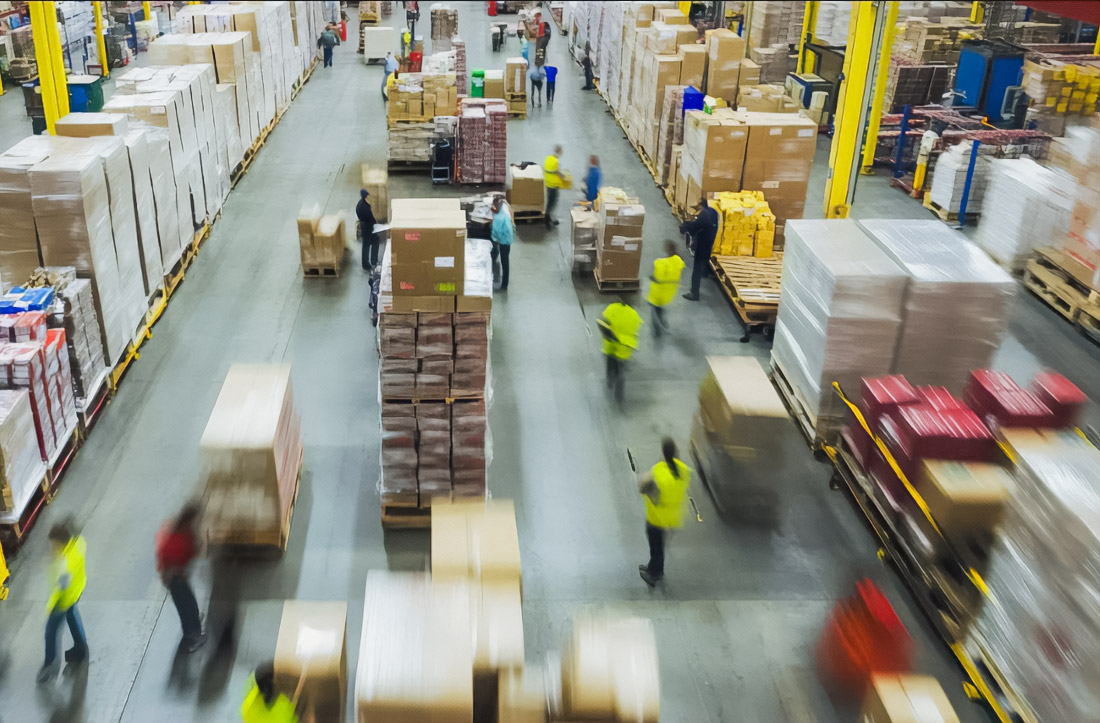
The warehouse is no longer just a storage location. It turns into an efficiency engine. Green warehouses combine LED lighting and light lanterns. They use smart HVAC systems and insulation with high thermal characteristics. Solar panels on the roof cover an increasing part of the load in solar hubs. Savings are confirmed by real counters, not slogans. The ISO 14001:2015 standard helps to integrate environmental management into operational procedures. Low carbon footprint materials and thoughtful ventilation enhance comfort and productivity. In a water-deficient climate, reuse of water and smart appliances are critical. The result is simple lower energy bills, fewer crashes, higher service quality, and less carbon per processing unit. The same principle applies to ecommerce fulfillment Dubai, where sustainable packaging and energy-efficient facilities increasingly define competitiveness in last-mile and storage operations.
Technology, Automation, And The Closed-Loop Economy
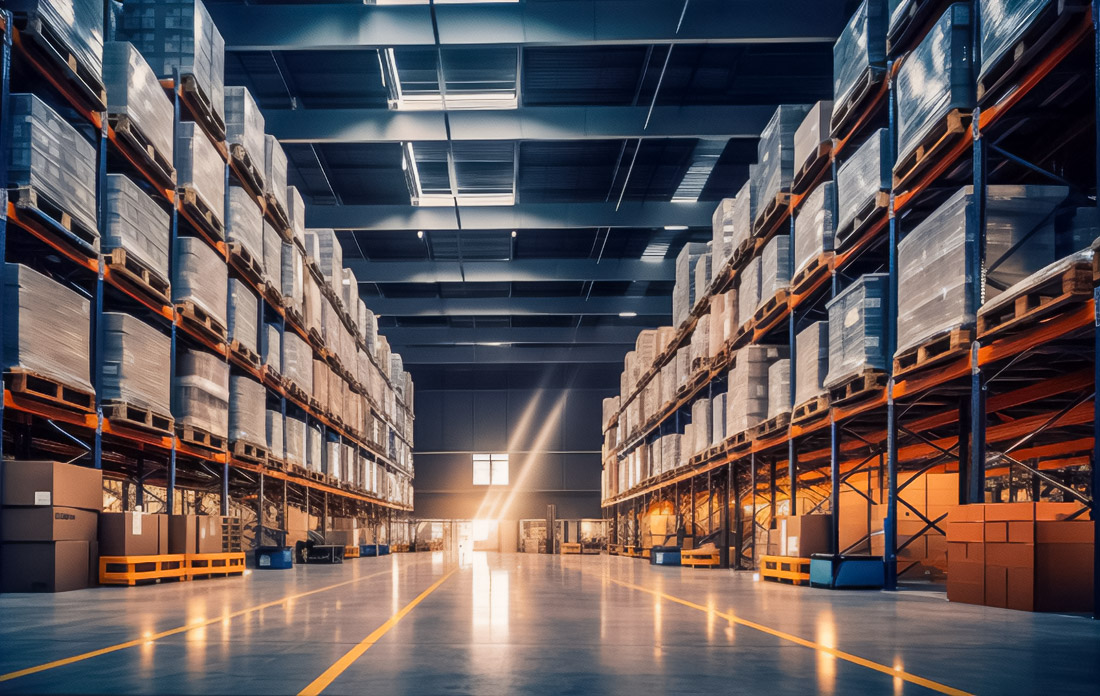
Digital instruments count every kilowatt hour and every kilometer. IoT sensors monitor temperature, humidity, power consumption, and equipment health. AI algorithms plan routes. They select the delivery windows and align the loading of the transport. Automation speeds up picking and sorting. Downtime is reduced. Empty flights are leaving. KPIs on emissions are moving to the operating panel. Carbon footprint reporting is becoming routine. A closed-loop economy closes the loop. Reverse logistics returns packages and pallets. Recycling programs reduce pressure on landfills. Properly selected, recyclable and dimensionally accurate packaging reduces material consumption and waste. Every step turns waste into value. Carbon decreases. The cost is reduced.
Policy, Competencies And Partnerships
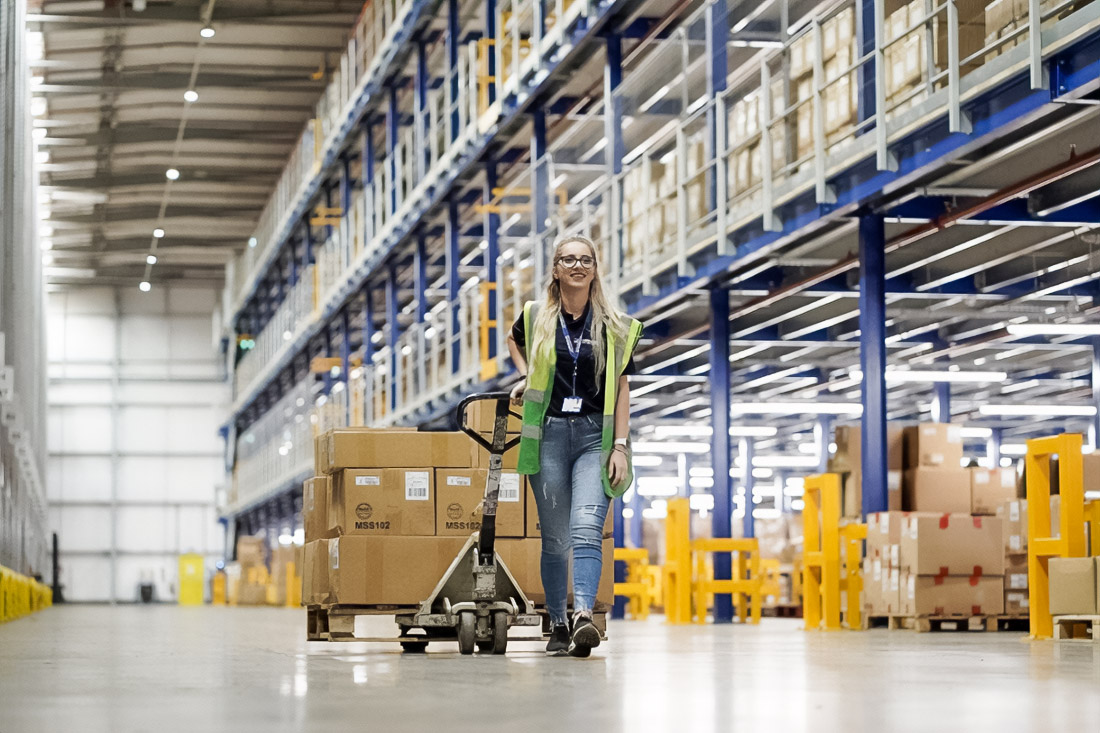
Politics sets the framework. Skills make change real. National strategies up to 2050 emphasize renewable energy, efficiency and emission reduction. Waste and emissions regulations pull up laggards and encourage leaders. Green design standards and transparent reporting are becoming the norm. The incentives accelerate the introduction of electric vehicles and the development of charging infrastructure. Ports and terminals add clean energy sources and enable real-time monitoring. Personnel is no less important. Sustainable logistics requires specialists in environmental management, energy management, automation, and data analytics. Certification routes form practical competencies. This is supply chain management. This is the optimization of transportation. These are sustainable purchases. This is modern warehouse and inventory management.
The Road Ahead: From Strategies To Measurable Results
The numbers speak to the potential. A focused package of measures in transport and logistics can reduce regional emissions by 20-40 percent. Market forecasts remain strong. By 2030, the logistics of the GCC may exceed the milestone of one hundred billion dollars. Growth must be green, otherwise it will exhaust itself. The region’s solar resources favor clean generation. Electrified fleets and smart routing enhance the effect. Multimodal corridors reduce the load on roads and reduce emissions per tonne kilometer. Success depends on execution. Basic lines are needed. Energy and fuel accounting is needed. We need regular reporting and reinvestment of savings into stronger projects. Partnerships between cargo owners, carriers, ports and regulators are needed. Standardized data. General infrastructure. Scalable circularity practices.
The result is logical and achievable. Sustainable logistics in the GCC combines renewable energy, energy-efficient warehouses, eco-friendly transport, route optimization, digital monitoring, closed-loop principles and competence development. All theses are based on proven facts and clear figures. About 10 percent of global emissions are related to logistics. Approximately 23 percent of energy-related CO2 emissions come from transportation. The regional reduction potential lies in the range of 20-40 percent with targeted measures. Without changes, the share of transport can grow significantly in the coming decades. With the changes, green warehouses are becoming the norm. Carbon neutral supply chains are shifting from ambition to practice. Sustainable growth gets a solid foundation.

Surfer, hustler, hiphop head, reclaimed wood collector and recent OCAD grad. Acting at the intersection of design and programing to give life to your brand. Check me out on Dribbble or Medium.