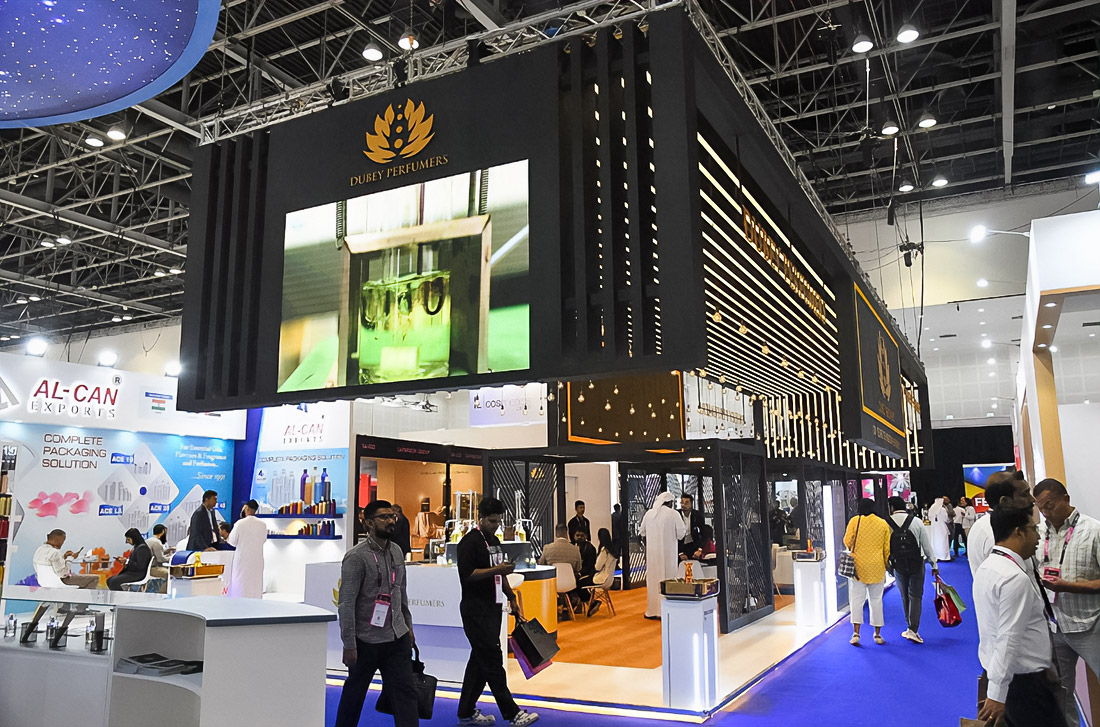
International exhibitions have long ceased to be local events with a simple delivery scheme. Today, exhibition logistics is a complex system where transport, customs clearance, warehousing, on site handling, and risk management intersect. An error in one element of the chain can affect the entire event, shifting deadlines, increasing costs, and reducing the overall effectiveness of participation. Practice shows that poor coordination of logistics can reduce the effectiveness of an event by up to 40%, even if the stand itself and the team are flawlessly prepared.
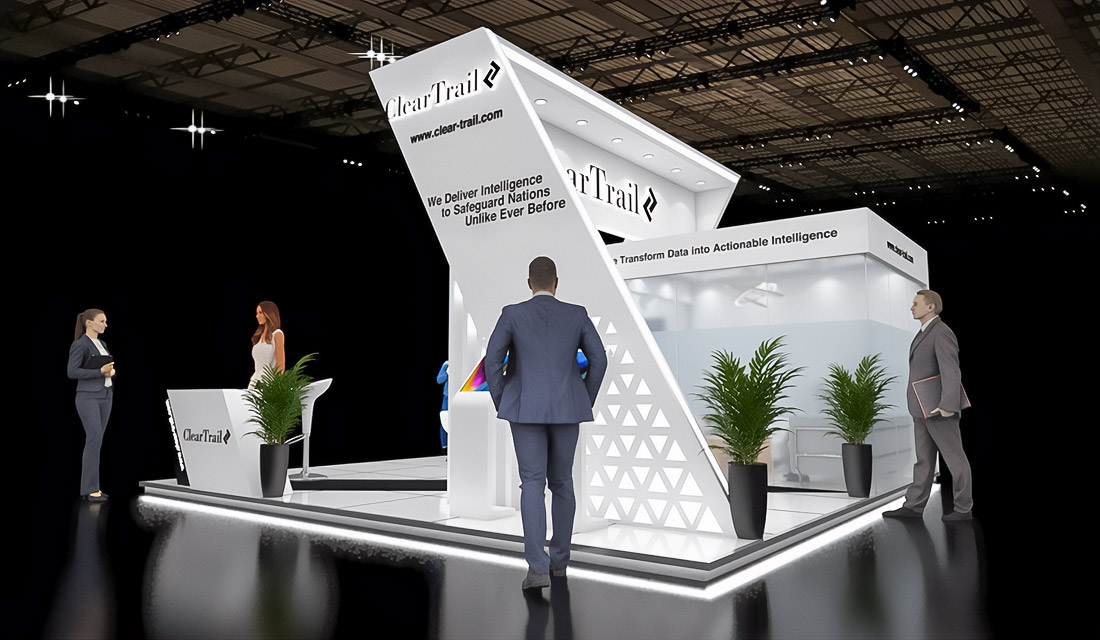
When trade shows are held in several countries, logistics ceases to be an auxiliary function. It becomes the operational foundation on which the safety of exhibits, compliance with regulations and work on the site depend, especially in projects involving an International Exhibition Stand Builder UAE operating across multiple jurisdictions.
Planning, Coordination And Control Of Processes
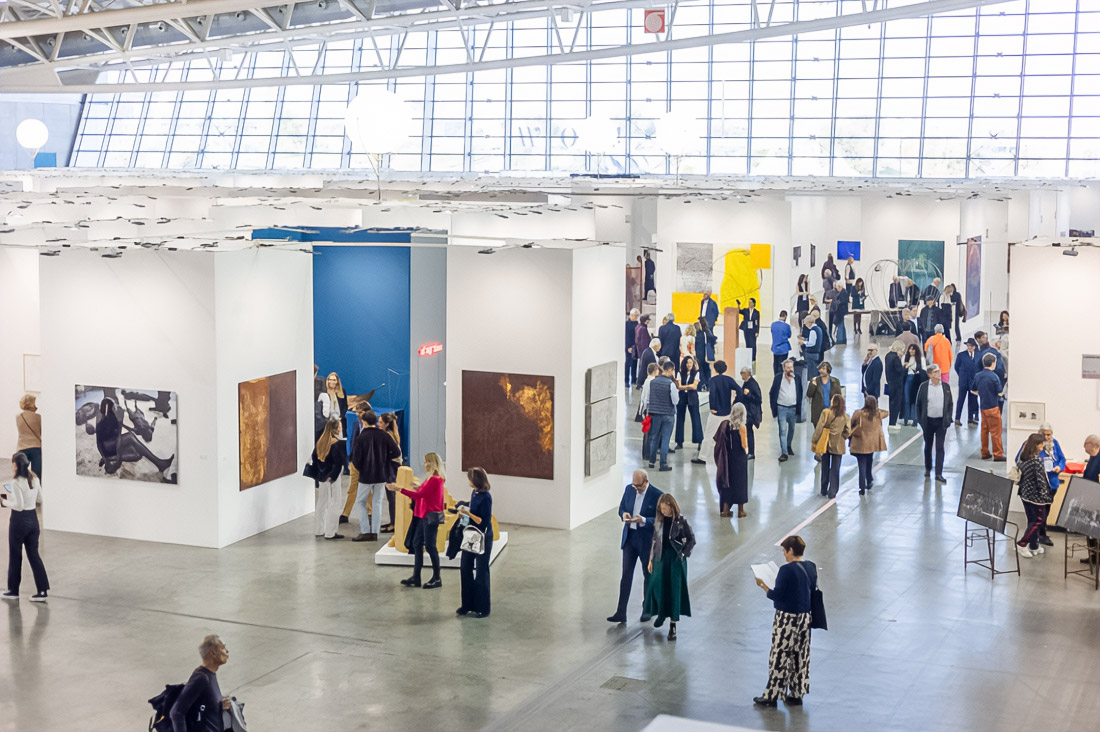
The basis of event logistics remains detailed planning, including timelines, route planning, pickup scheduling and venue deadlines accounting. In international projects, coordination between the participants in the process plays a special role: freight forwarder, customs broker, local vendors and the on site support team.
Effective projects are based on constant communication and real-time tracking, which allows you to control shipments at every stage from shipment to stand installation. Logistics management in the 24/7/365 format has become the standard for large international events, especially when working with multiple venues at the same time.
With the annual support of more than 1,000 exhibitions, planning accuracy is no longer an advantage and becomes a prerequisite. Any deviation in terms of deadlines or documentation directly affects installation, setup, and subsequent dismantling.
Customs Clearance, Regulations And Temporary Importation
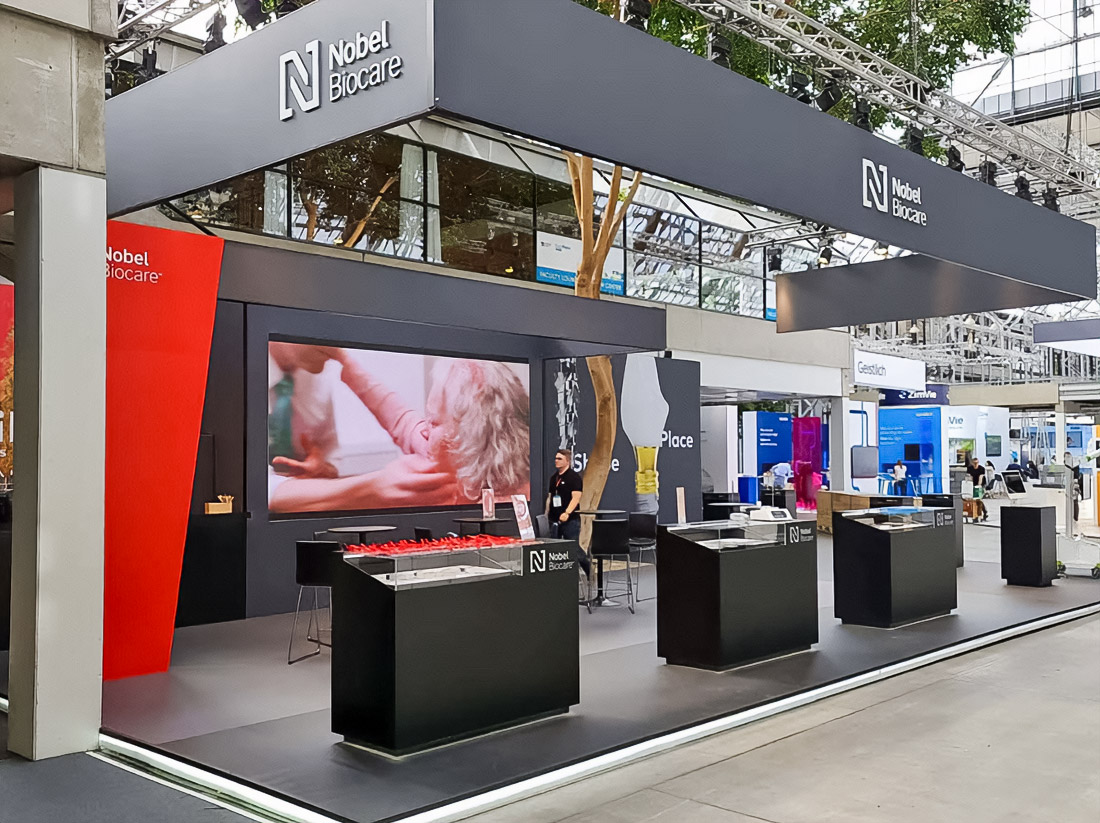
Customs clearance remains one of the most sensitive elements of exhibition logistics. Temporary import, registration of permits, correct documentation and compliance with local regulations require not only knowledge, but also practical experience. Errors in cargo classification, description of exhibits, or timing of temporary importation lead to delays and additional duties and taxes.
That is why international projects involve specialists with more than 30 years of experience in the field of international freight and forwarding of exhibition cargo. This experience is especially important when working on different continents, where import regulations and compliance requirements vary significantly.
In projects with museum exhibits and cultural heritage sites, the requirements are increasing. Working with artifacts over 3,000 years old requires absolute precision in customs procedures and transportation conditions.
Transport, Storage, And On-Site Handling
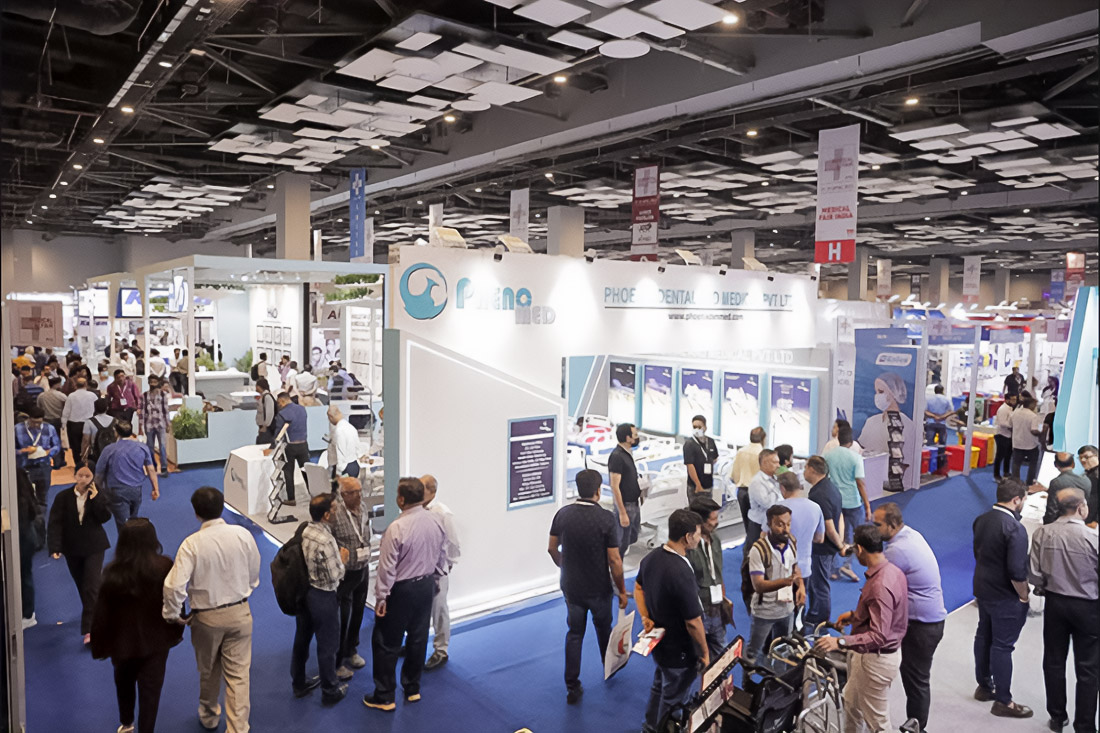
Transport and freight forwarding are selected based on the timing, value, and characteristics of the exhibits. For high value and fragile items, temperature controlled transportation, air-ride suspension, vibration resistant packaging, shock absorption and GPS tracking are used. Such measures make it possible to ensure the safety of goods even on difficult routes.
Warehousing and inventory management are implemented through highly secure storage facilities with access controlled zones, CCTV, alarms and round-the-clock surveillance. These facilities comply with the requirements of the ISO-certified 3PL infrastructure and allow safe management of exhibits before, during and after the event.
At the on-site handling stage, multilingual staff, compliance with security and health safety, as well as precise coordination of installation, booth assembly and dismantling play a key role. Even details such as electrical compatibility, voltage, plug types, and personnel logistics, including accommodations and public transportation, are taken into account.
Risk Management And Project Sustainability
Risk management and contingency planning have become an integral part of international exhibitions. Backup suppliers, alternative delivery routes, and backup transportation solutions are used. This approach reduces the impact of external factors and allows you to maintain control even with changes in regulations or schedules.
The final stage is post event evaluation, vendor performance analysis, and attendee feedback. This is where the basis for optimizing logistics management and improving the efficiency of future exhibitions is being formed. The combined experience of the teams, which exceeds 30 years, confirms that sustainable exhibition projects always begin with a well-established logistics system.

Surfer, hustler, hiphop head, reclaimed wood collector and recent OCAD grad. Acting at the intersection of design and programing to give life to your brand. Check me out on Dribbble or Medium.