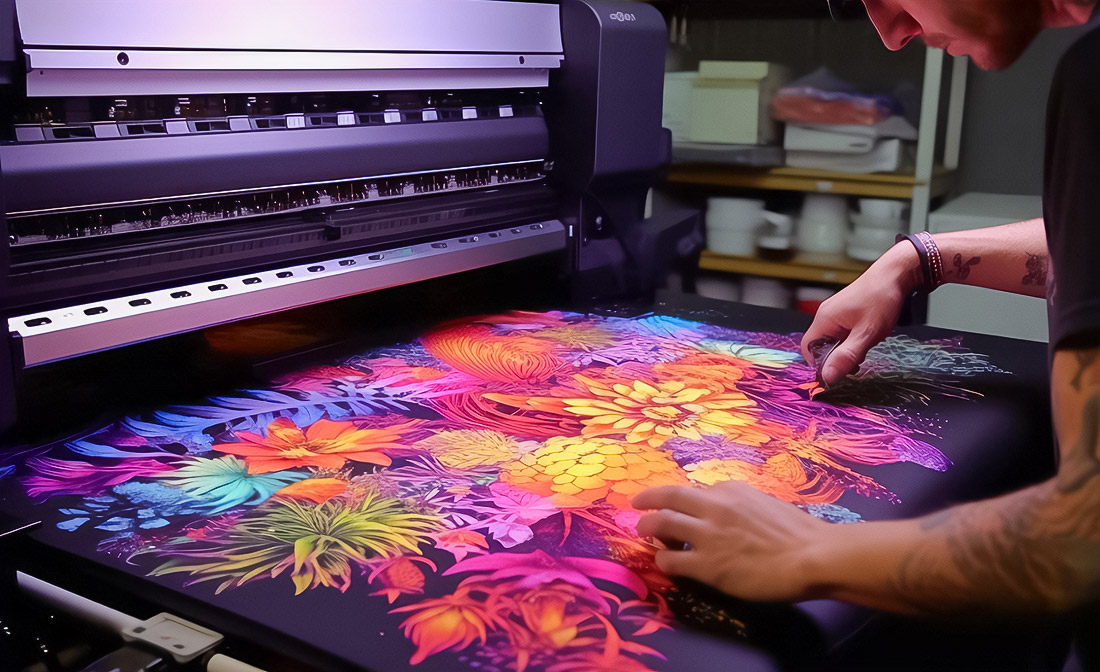
DTF printing, or direct-to-film, has confidently entered the world of home decor. It transfers the image from the film to the fabric through a thermal press and adhesive powder. The print holds, the color does not fade, the texture of the fabric is preserved. It works on cotton, polyester, microfiber and blends. Pillows, curtains, bedspreads, towels, and even furniture upholstery get an accurate, rich pattern. Personalization is simple with custom dtf prints. Small print runs pay off quickly.
Materials and Compatibility: From Cotton to Microfiber
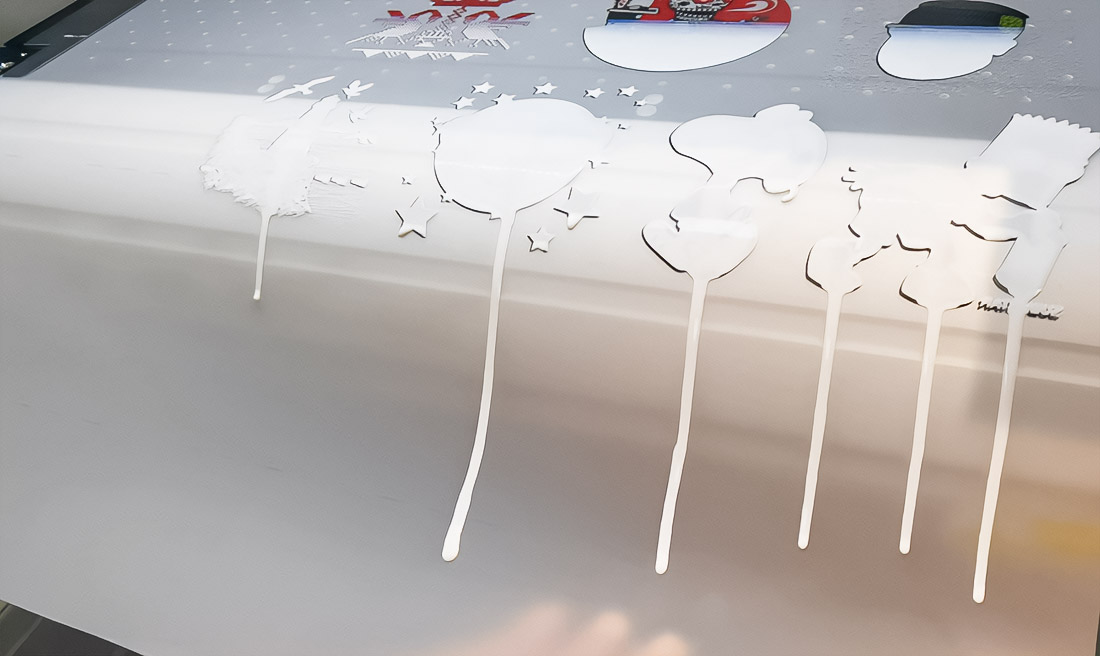
Home textiles require the flexibility of technology. DTF printing confidently fits on cotton and cotton-polyester blends, microfiber, velour, fleece, dense canvas fabrics. Unlike pure sublimation tied with polyester, both light and dark bases are supported here. Direct-to-fabric and digital textile printing complement DTF in large projects: wallpaper, curtains, decorative panels. For pillowcases, cotton fabric with a density of 8-12 oz is often used, and fabrics with 200-400 threads are used for bed linen. The choice of base affects color reproduction, abrasion resistance, and comfort. Pigment and dispersed inks are important. ICC profiles also play a role. Correct color calibration gives predictable results on different textures.
Technological Process: From Prepress to Post-Press
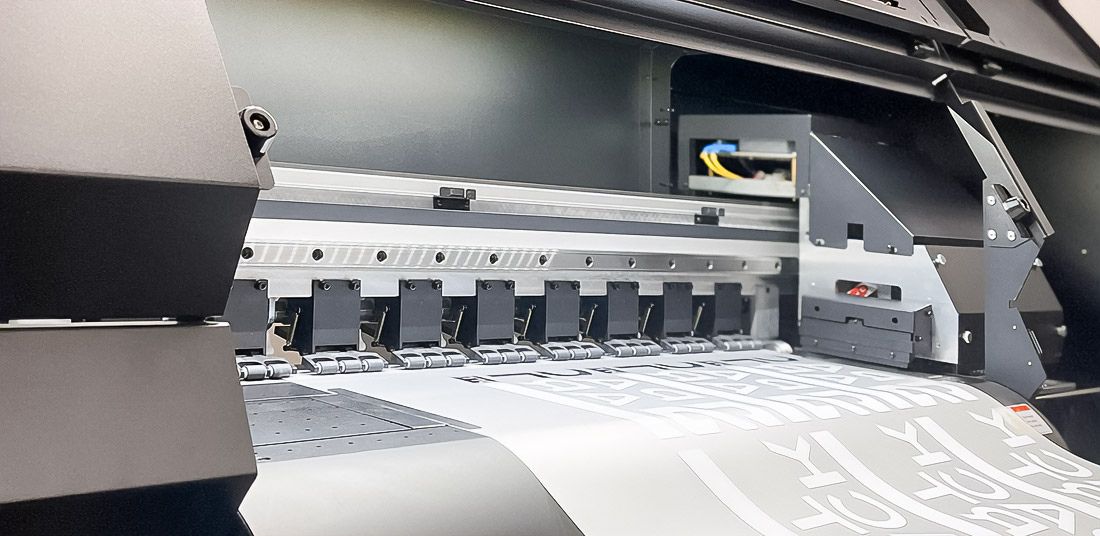
Quality is born in the details. First, the prepress: removing moisture and smoothing the pile for 5-8 seconds. Next, transfer-film printing with a resolution of up to 1200×1200 dpi. The application of adhesive powder and drying prepare the film for transfer. Thermal transfer is performed at 130-160 ° C for 8-15 seconds, taking into account the type of fabric and film. For synthetics, low-temperature films of 130-145 °C are appropriate to avoid gloss and dye migration. Use the pressing pillow to bypass the zippers and edging on the pillowcases, and silicone pads to align the curtains with grommets and folds. After removing the film, post press for 5-10 seconds under parchment or Teflon. This increases adhesion and wear resistance. For large canvases, sectional pressing and precise stitching are used. Neat joints are important for full-format patterns.
Application and Care: Pillows, Curtains, Towels
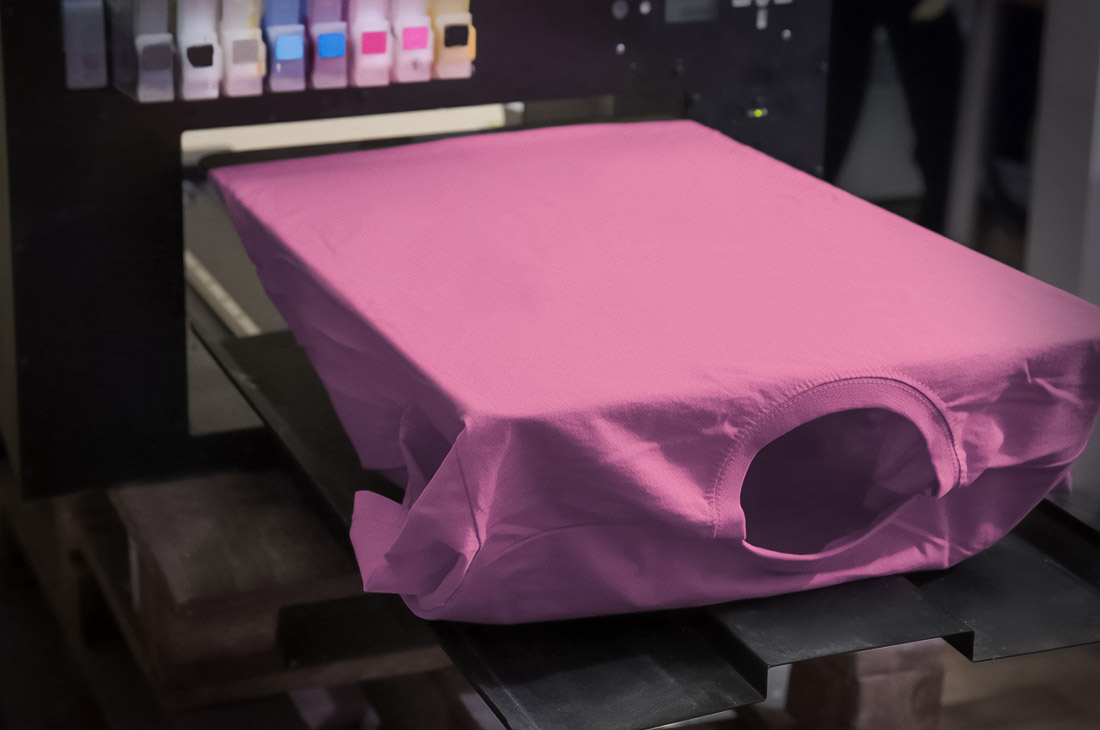
The 40×40 and 45×45 cm formats for decorative pillows dominate. Centered badges, full color panels, and repeating patterns are all feasible. It is convenient to print vertical sections on curtains made of cotton twill or polyester blackout panels. It is better to print towels on the velour side or along a flat border, pre-dehydrating the loops and increasing the pressure for clear borders. Care is simple. Soak for 24-48 hours before the first wash. Wash at temperatures up to 30 °C, a gentle cycle, without bleaches and aggressive softeners. Dry on low heat or in the air. Do not iron the print directly; use an ironer or turn the product out. Such habits prolong the life of the drawing. Resistance to UV and abrasive wear retains its brightness for a long time.
Personalization and short series drive demand. The on-demand print market in the United States has grown from $2.53 billion in 2024 to $3.51 billion in 2025, which corresponds to a rate of 23.1% per year over the horizon of 2025-2033. The user appreciates speed, variability, and the ability to get single copies without compromising on quality. DTF printing helps to scale such scenarios without strict circulation requirements. The environmental impact is noticeable. Compared to traditional methods, digital textile printing reduces water consumption by up to 95%, reduces waste and unnecessary logistics. Color reproduction benefits from correct profiles and clean contours without ladders. As a result, pillows, bedspreads, curtains, and towels look professional, and prints remain flexible and won’t crack.
The correct selection of the base, the sustained thermal transfer regime, the discipline of prepress and post-press are four pillars of high quality. Add proper care, and DTF-printed home textiles will last a long time. Personal projects turn into full-fledged lines. And the interior gets the very accent where the idea, texture and color work together.

Surfer, hustler, hiphop head, reclaimed wood collector and recent OCAD grad. Acting at the intersection of design and programing to give life to your brand. Check me out on Dribbble or Medium.