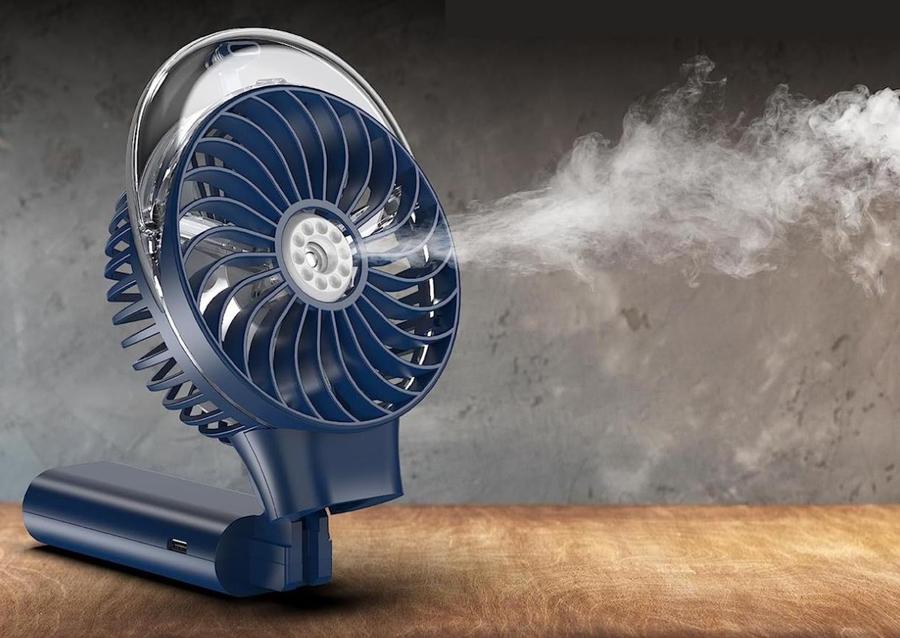
Problems with the HVAC system almost never appear abruptly. They accumulate slowly, imperceptibly, sometimes even deceptively. First, energy bills rise, then the airflow worsens, then system noise and uneven temperatures appear. As a result, the user is faced not just with discomfort, but with system inefficiency, which directly affects energy consumption and the service life of the equipment.
Increased Energy Consumption And Reduced Efficiency
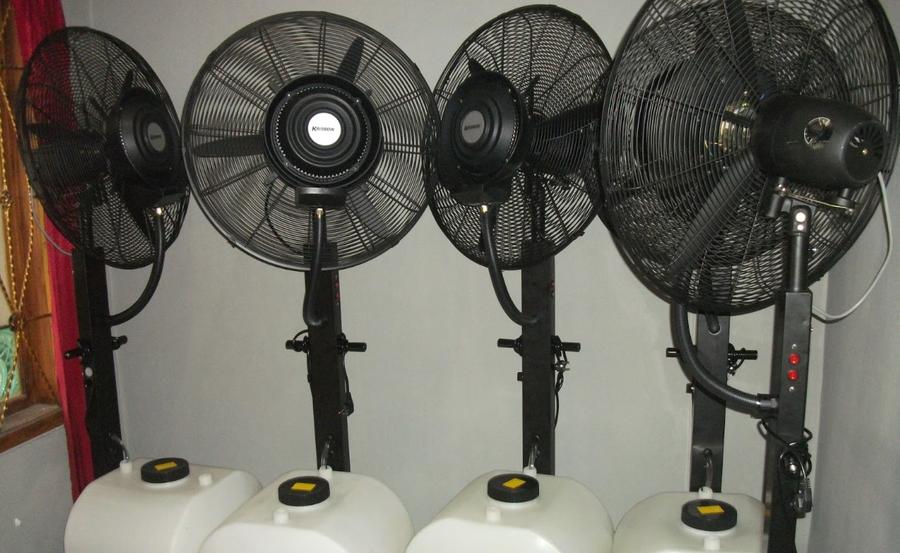
Heating and cooling form the basis of energy consumption at home, accounting for about 52% of all energy costs, especially when relying on a portable air conditioner for daily climate control. This is not just a figure, but a real indicator of how much the HVAC system affects the budget. Even a small decrease in energy efficiency is instantly reflected in energy bills.
Over time, equipment wear becomes inevitable. Compressor, heat exchanger, fans all these elements lose productivity. In 10-12 years, the system can consume up to 30% more energy than its modern counterparts. And this happens even with regular use without visible breakdowns.
The problem is compounded if the HVAC installation was initially performed incorrectly. Installation errors, incorrect power selection or lack of load calculation (Manual J) lead to a constant overload of the system. Moreover, over 50% of the systems are initially selected incorrectly, which makes the situation even more difficult.
Airflow, Ductwork, And Hidden Losses
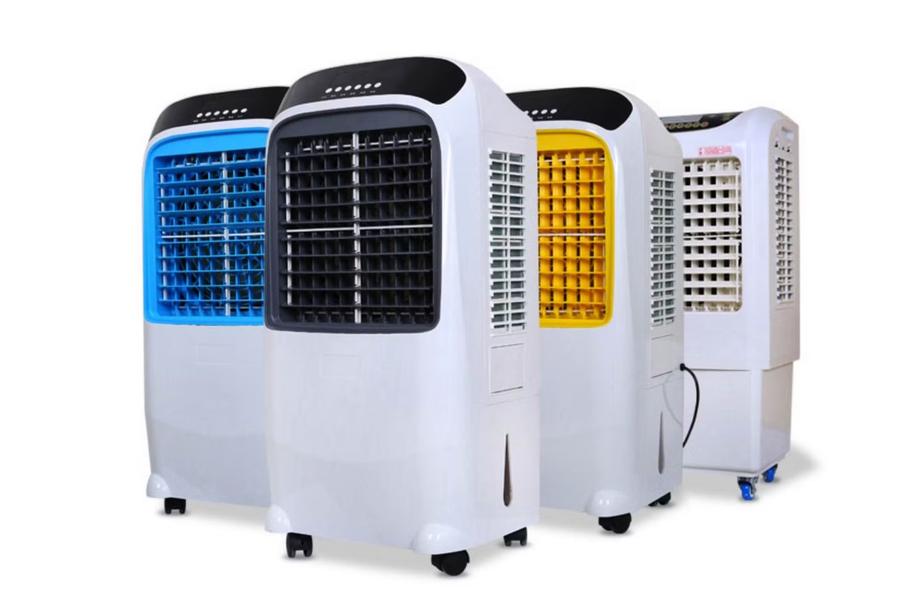
When the air flow is disrupted, the system starts working differently. It heats or cools the room longer, creates hot and cold zones, and increases operating costs. The reasons are often trivial, but critical: clogged air filters, damaged ducts, and air leaks.
Filters, for example, need to be replaced every 1-3 months. If this is not done, air pollution increases and ventilation becomes ineffective. The air simply cannot circulate freely, and the system begins to compensate for this with additional load.
Do not forget about insulation and sealing. Even a perfectly configured HVAC system will not be able to keep the heat if the house loses it through the cracks. Heat leakage is a hidden but powerful factor in the growth of energy consumption. Sometimes they are the reason why the system works almost non-stop.
Repair, Noise And Temperature Control
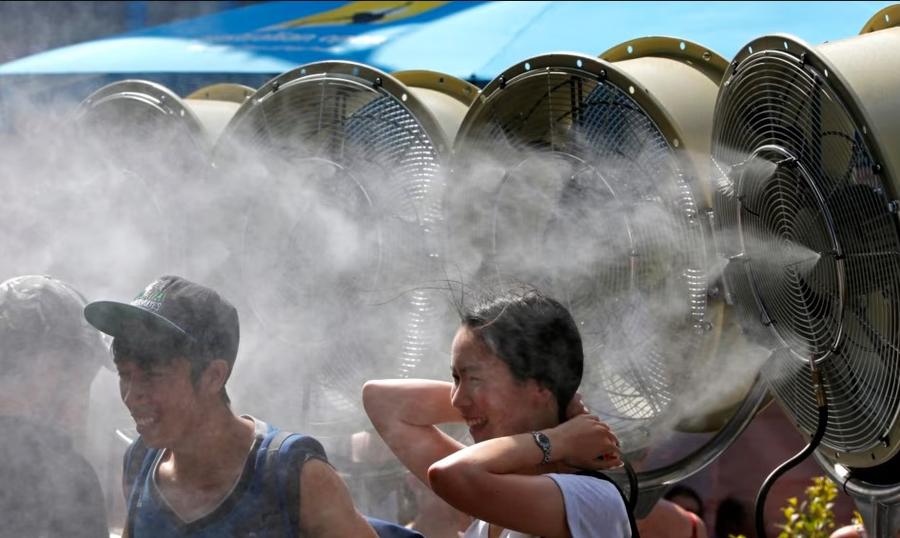
Frequent repairs are an alarming signal. If the system fails regularly, this is no longer an accident, but a pattern. The cost of a single repair can be 200-500 dollars, and with repeated breakdowns, the amount quickly becomes significant. When costs reach about 50% of the cost of a new system, replacement becomes a more logical step.
System noises can’t be ignored either. Knocking, whistling, and vibrations are all signs of mechanical malfunctions. Sometimes system odors are added to them, which may indicate mold, overheating, or contamination of components.
The thermostat deserves special attention. Improper temperature control leads to unnecessary costs. Setting the temperature above the required temperature does not accelerate heating, but only increases the operating time of the system. The optimal level is about 68 °F, with a decrease of 7-10 degrees at night. A programmable or smart thermostat helps automate this process and reduce energy consumption.
Ultimately, an HVAC system is not just a technique, but a complex mechanism where every detail affects overall efficiency. Incorrect system size, lack of maintenance, problems with air ducts and filters, installation errors all form a chain that leads to increased costs. It can be broken only through diagnostics, optimization and, if necessary, timely modernization.

Surfer, hustler, hiphop head, reclaimed wood collector and recent OCAD grad. Acting at the intersection of design and programing to give life to your brand. Check me out on Dribbble or Medium.